A Honda CBX six-cylinder out on the street in Japan. From the Alan Jones Japan collection.
Plenty of new bikes wear old-school paint. These three are different: each is a direct remake of a specific classic, and all three are still on sale new in 2026. So how close do they get to the originals? What had to change under the skin? And where do the old bikes still win?
I've left out the bikes that are retro in name or styling only. Yamaha's Ténéré 700, for example, borrows a legendary name but is thoroughly modern underneath. And some legends, like Honda's six-cylinder CBX, were never remade at all. More on that one further down.
The numbers
Specs at a glance
Kawasaki Z1 (1973)
Z900RS (2026)
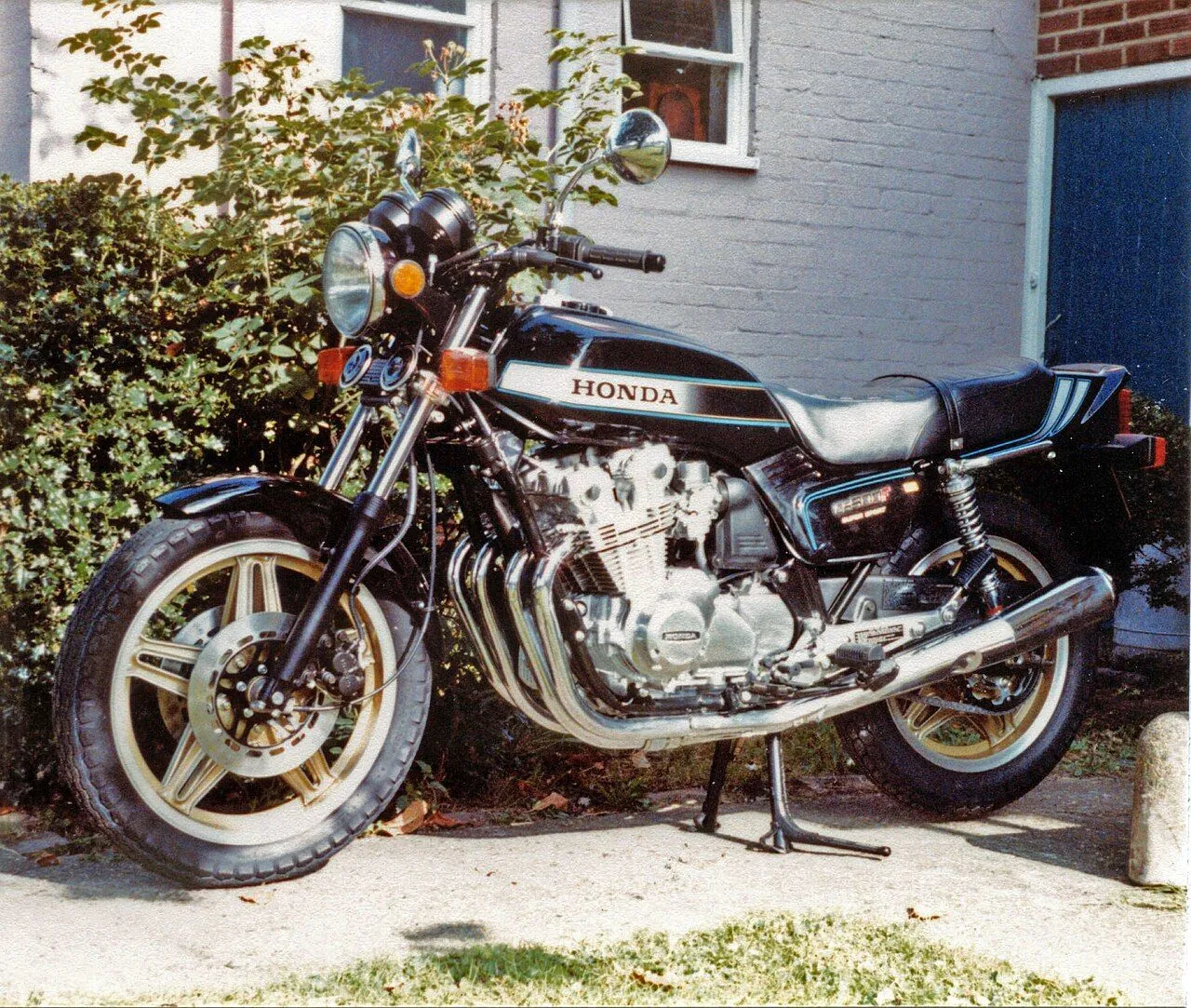
Honda CB900F (1979–83)
CB1000F (2026)
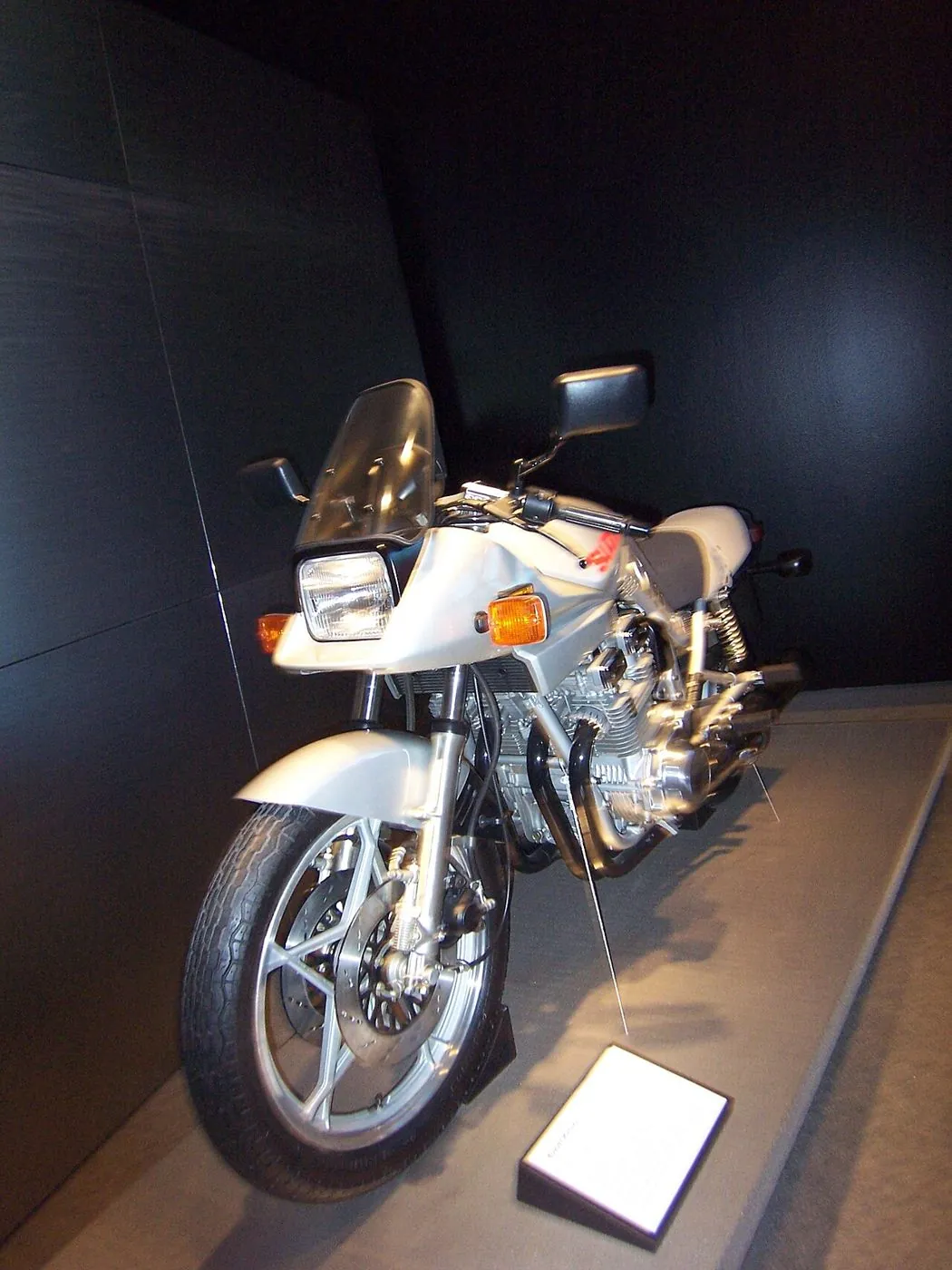
Suzuki GSX1100S (1981)
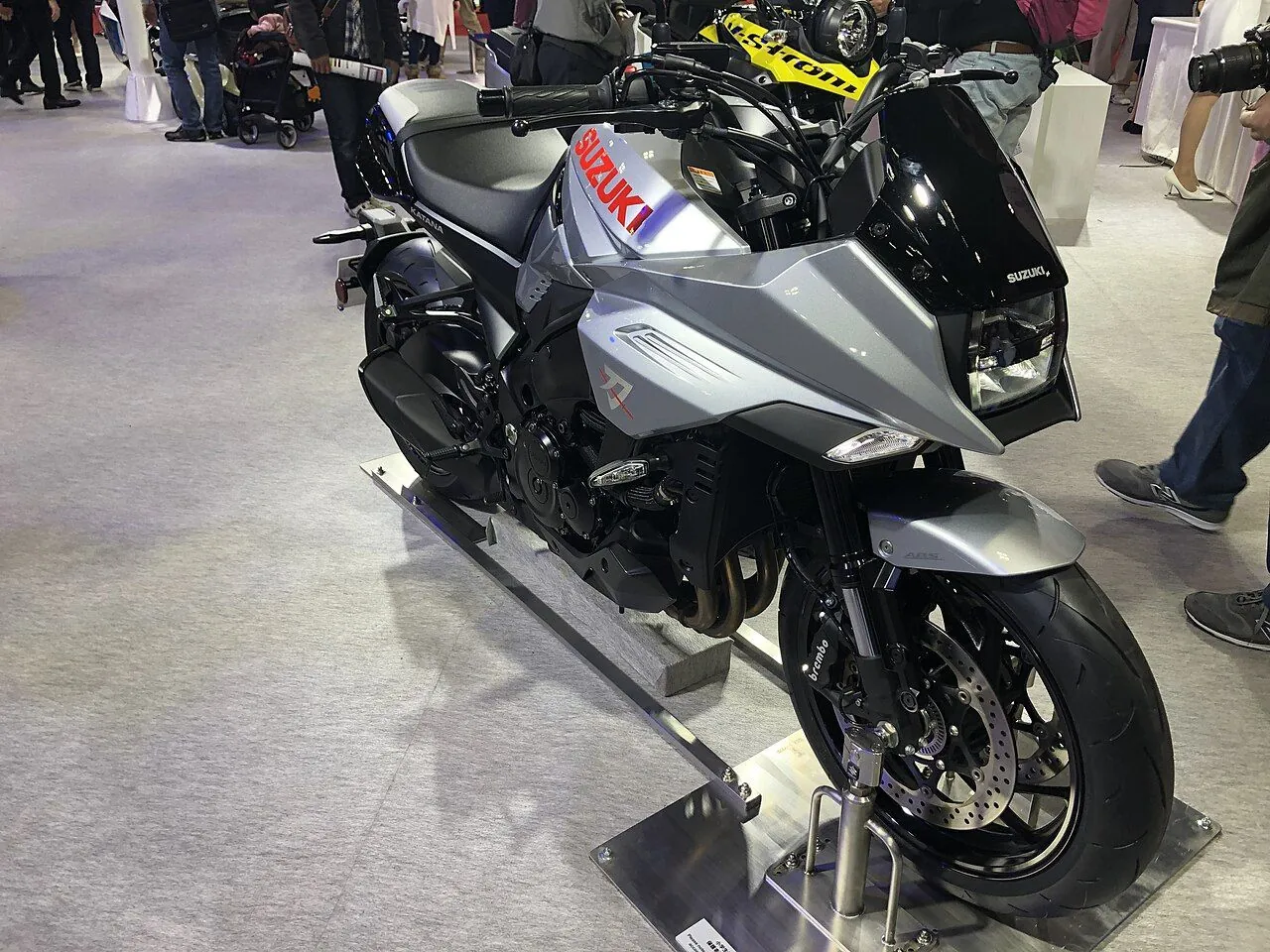
Katana (2026)
Engine
903cc air-cooled four, carbs
948cc liquid-cooled four, fuel injection
901cc air-cooled four, carbs
1000cc liquid-cooled four, fuel injection
1,074cc air-cooled four, carbs
999cc liquid-cooled four, fuel injection
Power
82 PS
116 PS
95 PS (claimed)
122 PS
111 PS
152 PS
Torque
74 Nm
98 Nm
77 Nm
103 Nm
96 Nm
106 Nm
Weight
~246–250 kg wet
216 kg wet
233 kg dry
214 kg wet
232 kg dry
215 kg wet
Gears
5
6
5
6
5
6
Front brake
1 disc, single-piston
2 discs, ABS
2 discs
2 discs, radial Nissin, cornering ABS
2 discs, 2-piston
2 discs, ABS
Fuel use
n/a
5.0 l/100 km
5.0 l/100 km
5.6 l/100 km
~9.4 l/100 km (30 mpg UK)
6.1 l/100 km
Tank
18 L
17 L
20 L
16 L
22 L
12 L
Kawasaki
Z1 vs Z900RS
THEN
Kawasaki 900 Z1 (1973)Photo: Rikita, CC BY-SA 3.0, via Wikimedia Commons
NOW
Kawasaki Z900RS (2026)Photo: MotorideSA, CC BY-SA 4.0, via Wikimedia Commons
How close is the look?
The closest of the three. The teardrop tank, ducktail, round headlight and candy brown-and-orange paint are pure Z1. What gives it away is the stance: fat 17-inch tyres, an upside-down fork and a single rear shock where the Z1 had twin shocks and a 19-inch front wheel.
What changed
The air-cooled, two-valve engine and its four carbs are gone. For 2026 Kawasaki added electronic throttle valves, higher compression, a pre-chamber exhaust and an extra catalyst to meet Euro 5+, and still found 5 more PS. There's also an IMU, a two-way quickshifter and cruise control. The Z1 made do with one front disc and a rear drum.
Honda
CB900F vs CB1000F
THEN
Honda CB900F (1979–83)Photo: Reg Mckenna, CC BY 2.0, via Wikimedia Commons
NOW
Honda CB1000F (2026)Photo: MotorideSA, CC BY-SA 4.0, via Wikimedia Commons
How close is the look?
The silver-and-blue "Freddie Spencer" paint and the stepped tank-and-tail shape make the link obvious. But the new bike is shorter and lower, and the twin shocks, the 19-inch front wheel and the four-into-two pipes have gone.
What changed
Honda took the 150 hp Hornet engine and deliberately cut it to 122 hp in favour of midrange pull. It gets an adjustable Showa fork, radial Nissin calipers with cornering ABS, traction, wheelie and rear-lift control, riding modes, a TFT screen and keyless start.
Suzuki
GSX1100S Katana vs Katana
THEN
Suzuki GSX1100S Katana (1981)Photo: David Verch, CC BY 2.0, via Wikimedia Commons
NOW
Suzuki Katana (current model)Photo: 三澤佳祐, CC BY-SA 4.0, via Wikimedia Commons
How close is the look?
The sharp nose, the small screen and the silver paint are unmistakable, but the proportions are the furthest from the original. The 1981 bike was long and low, with a tank that flowed into the seat. The new one is a short, high naked bike based on the GSX-S1000, with the number plate hung on a swingarm hugger.
What changed
The engine is a road-tuned version of the 2005–08 GSX-R1000 superbike engine. It now makes 152 PS at 11,000 rpm and weighs 215 kg. The original ran 38 mm forks with anti-dive, twin shocks and two-piston calipers.
Photographed in Japan
Where the originals never went away
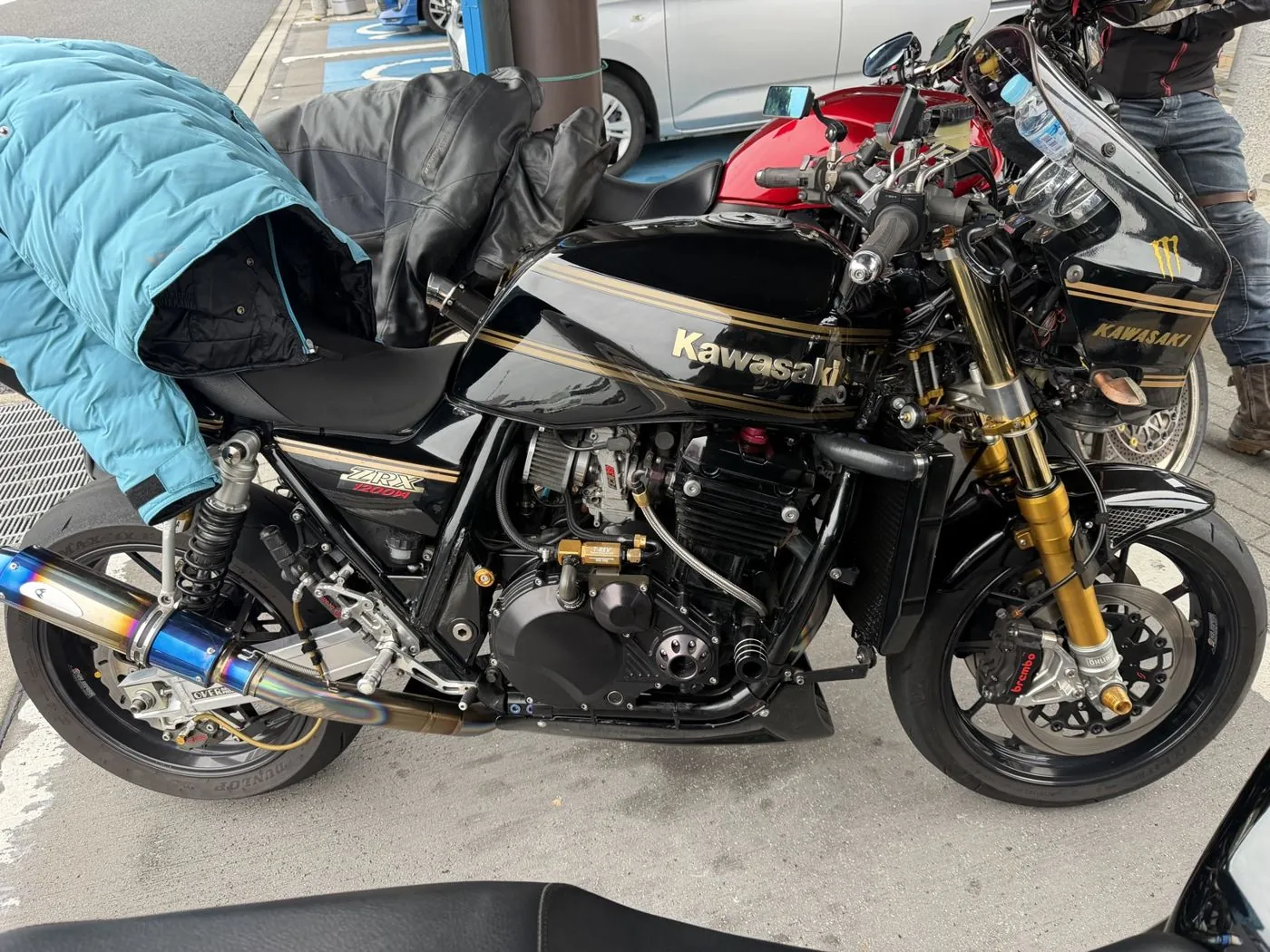
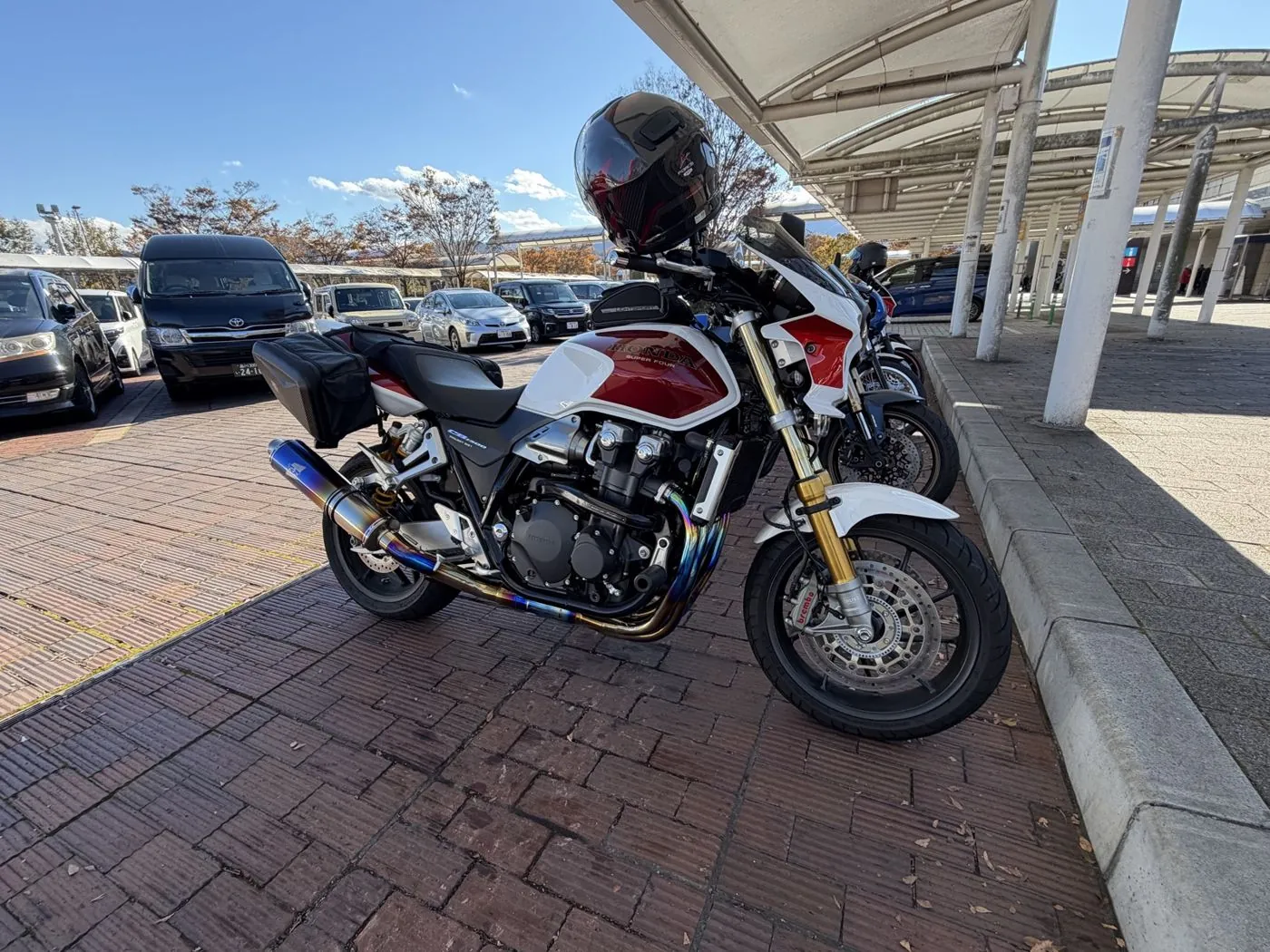
In Japan the old bikes aren't museum pieces. They're out on the road, parked up at service areas and lined up at weekend meets, and a lot of them have quietly been fitted with modern hardware. They ride more like the new retros while still looking like the real thing. Every photo in this section comes from the collection I gathered on my trip, some taken by me and some shared by the riders I met.
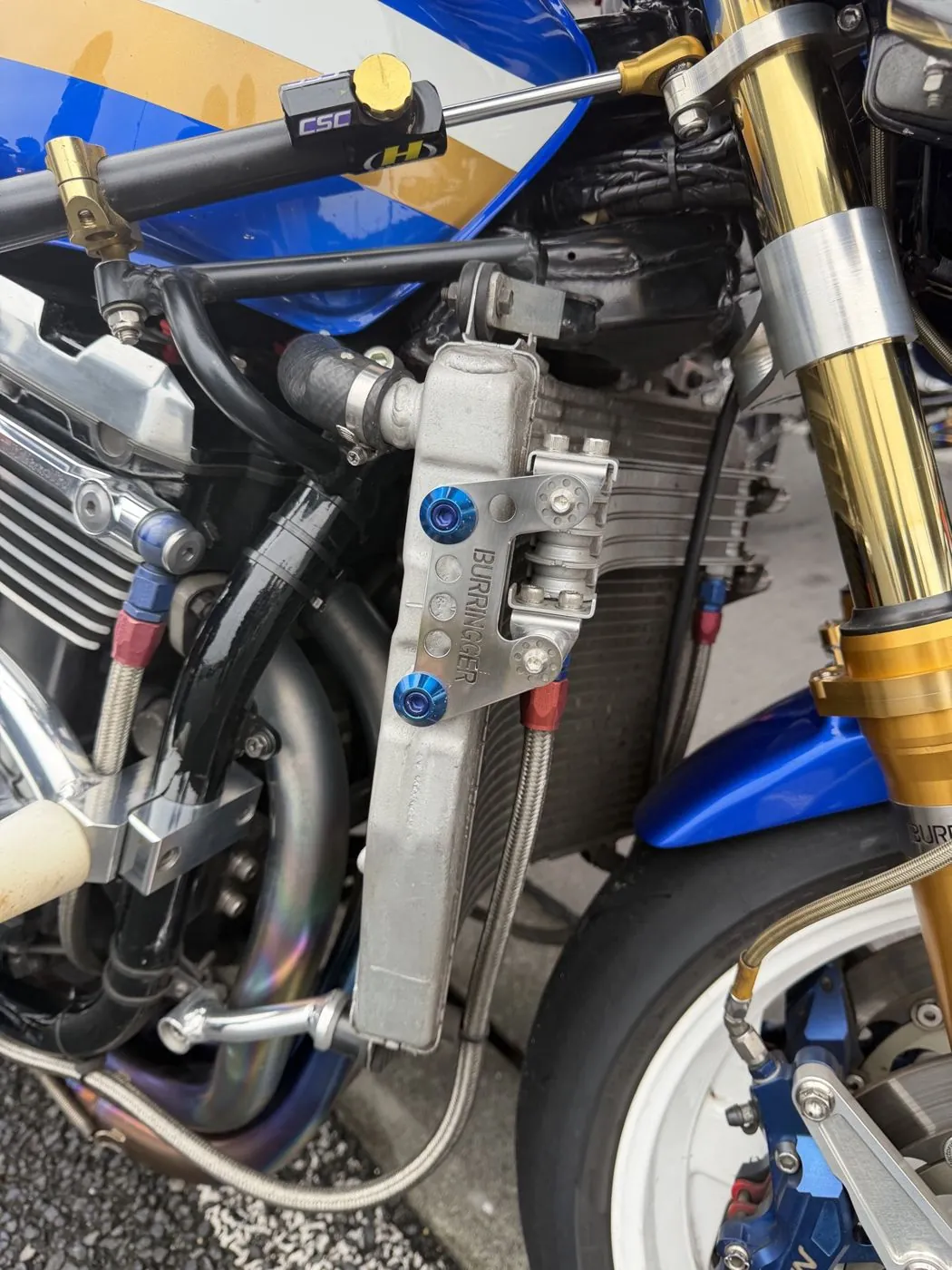
Gold forks, radial brakes and a titanium exhaust on an upgraded classic
An oil cooler helps an air-cooled engine stay cool
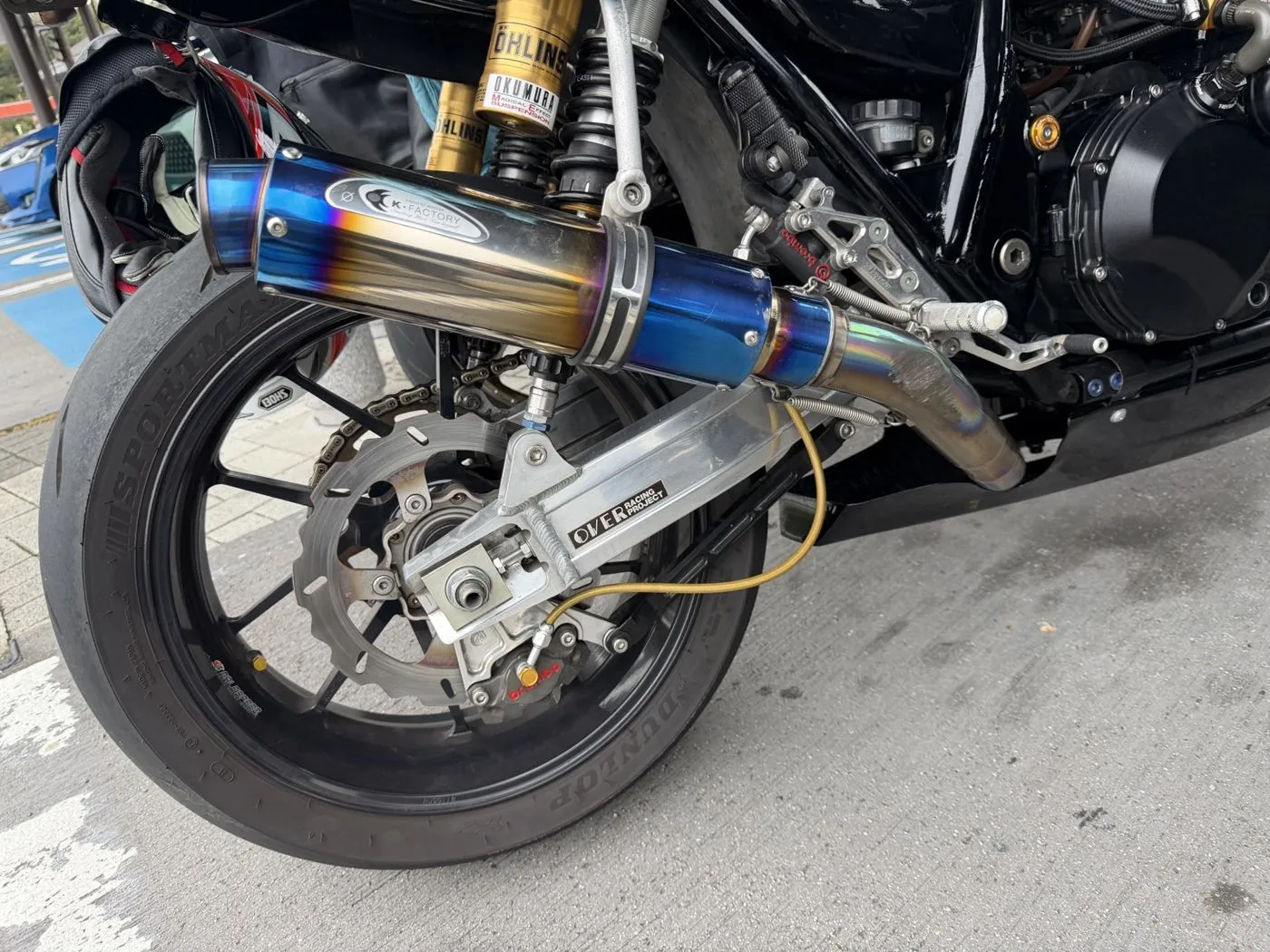
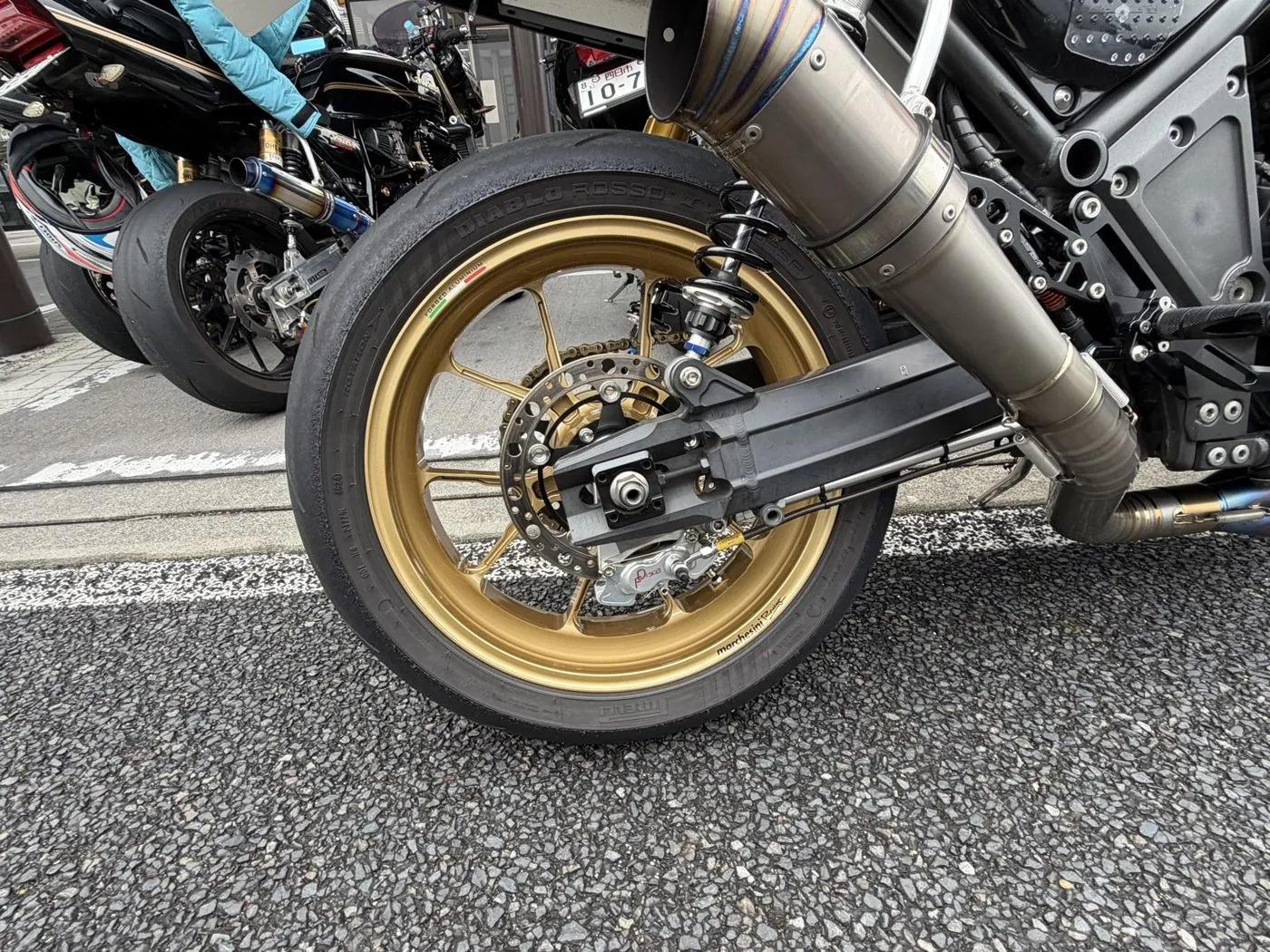
Aftermarket OVER Racing swingarm, wide rear wheel and a titanium silencer
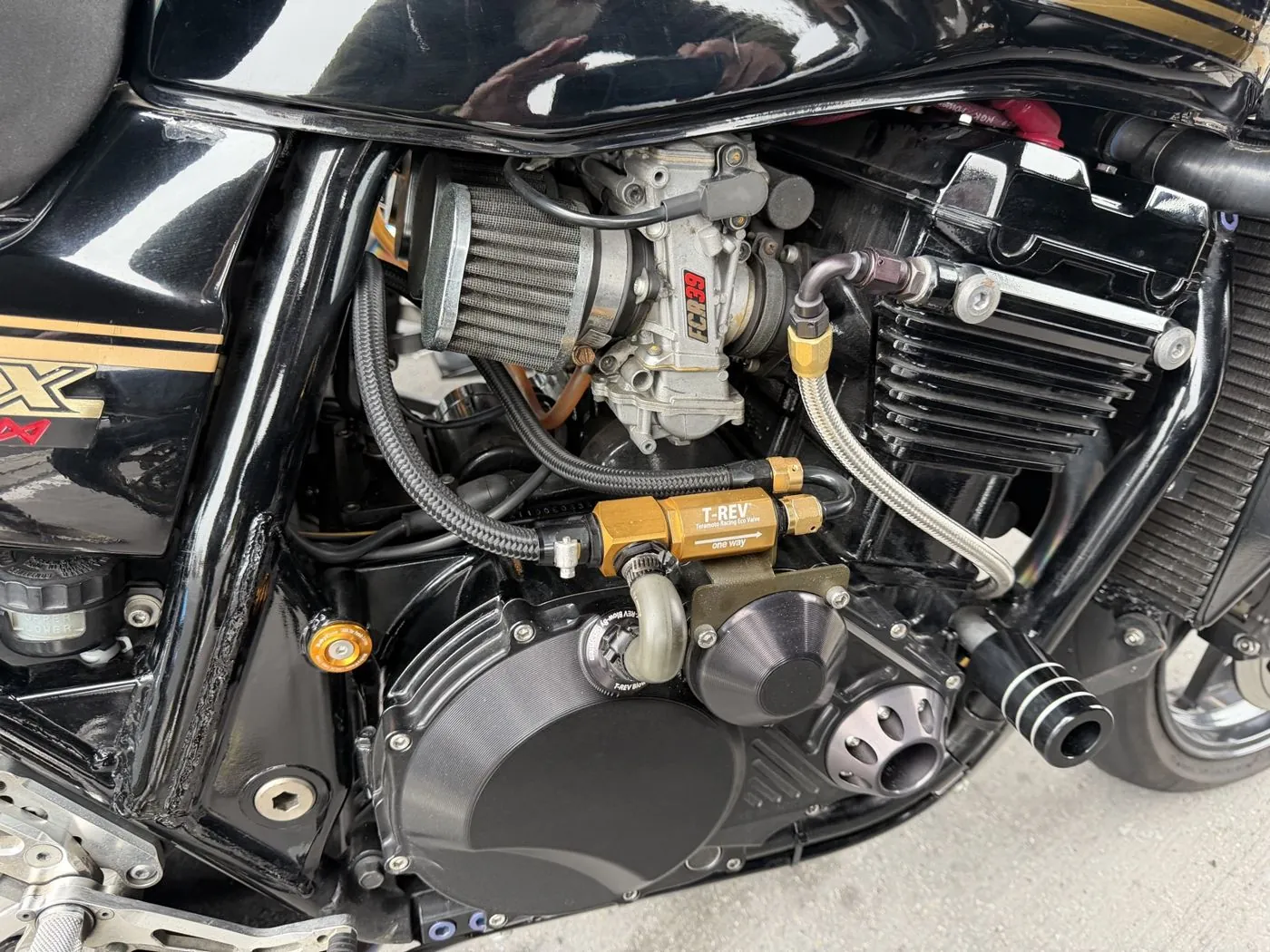
Racing carbs and plenty of anodised detail
Real Complete Machines
AC Sanctuary in Kashiwa, Chiba, is the best-known name. Its "RCM" (Real Complete Machine) builds start by reinforcing the frame, then add modern suspension and brakes. One Z1 got a full ZRX1200R front end with 17-inch wheels, a wide aluminium Sculpture swingarm, Öhlins twin shocks and modern sport tyres.
The typical upgrade recipe
Öhlins forks, Brembo radial calipers, OZ Racing wheels and Sculpture swingarms. Some builds go further, with a new six-speed gearbox and a full titanium exhaust. Bull Dock's Z1 recipe adds a reinforced frame, an engine bored out to 1015cc and Keihin FCR carbs. Add an oil cooler like the one above and the old air-cooled engine copes far better with heat and traffic.
Old shape, new hardware: the Japanese way to keep a legend on the road.
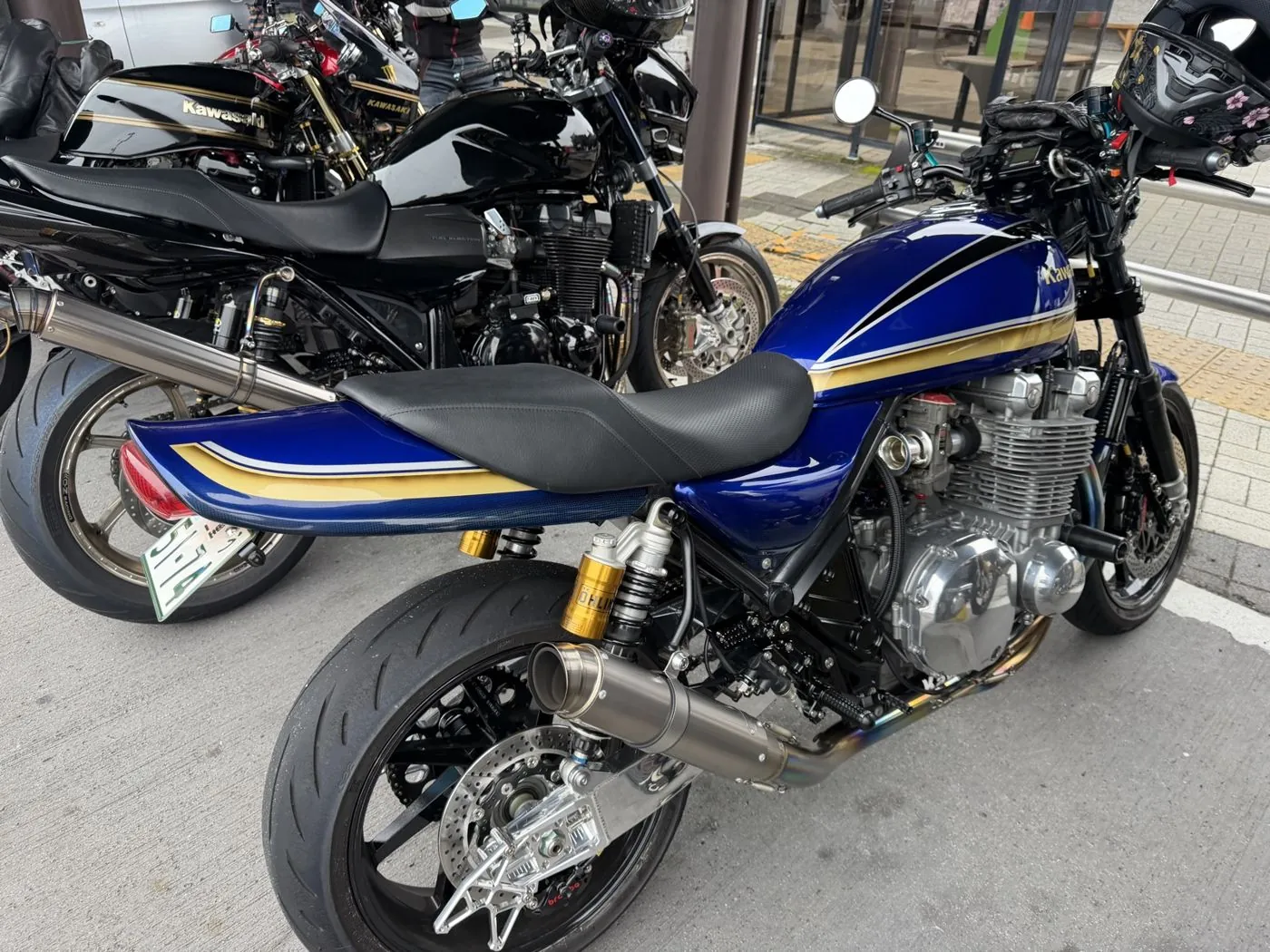
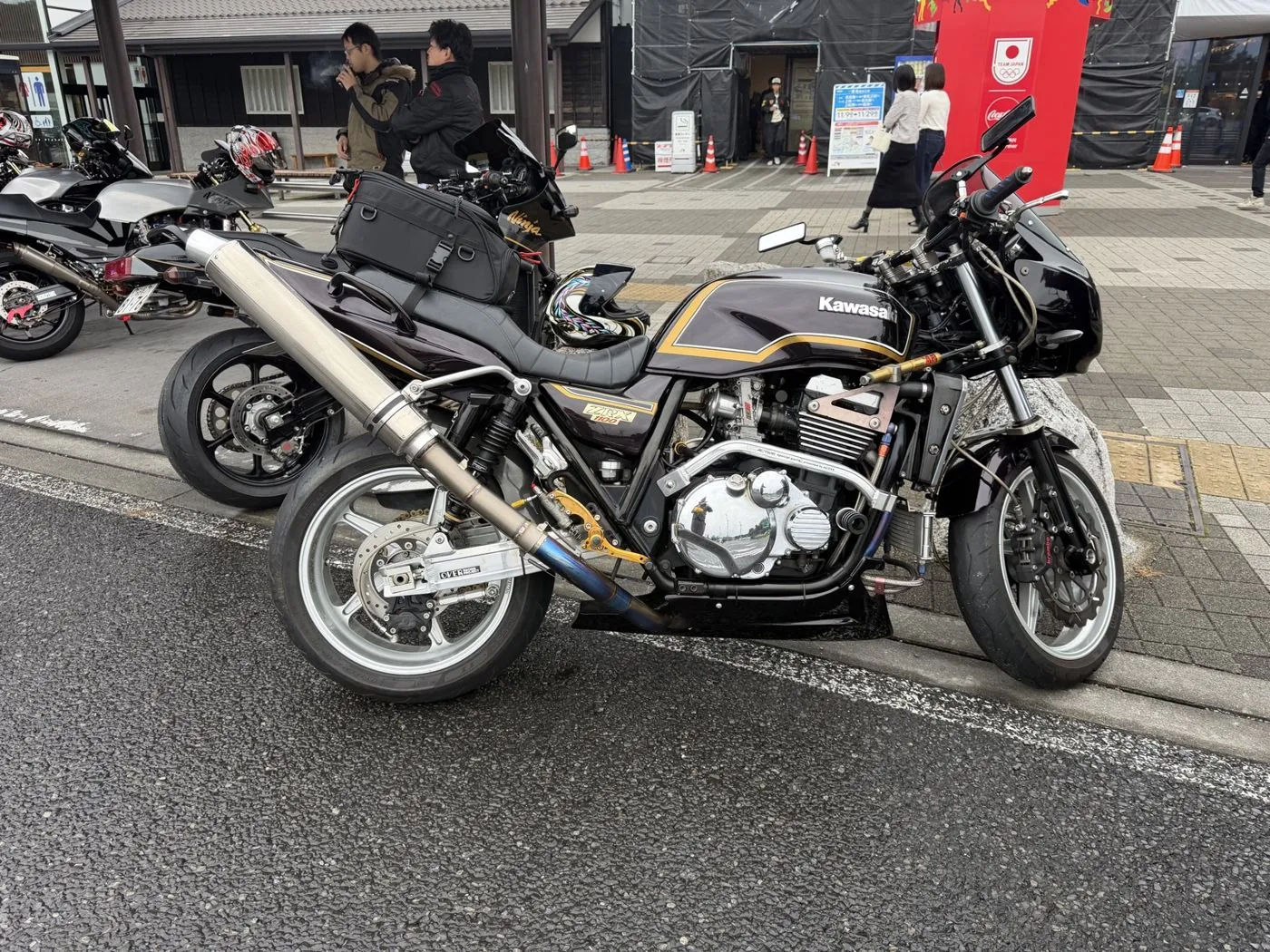
Blue and gold, with modern shocks and wheels
Gold wheels and an aftermarket swingarm
Black and gold custom
Grey custom with gold forks
A service-area meet
Parts are still easy to get
Doremi Collection reproduces parts for 1970s to 1990s Kawasakis. It also sells kits that turn a Z900RS into a Z1 or Z2 lookalike. You can even buy fake twin shocks for the Z900RS that are purely for show.
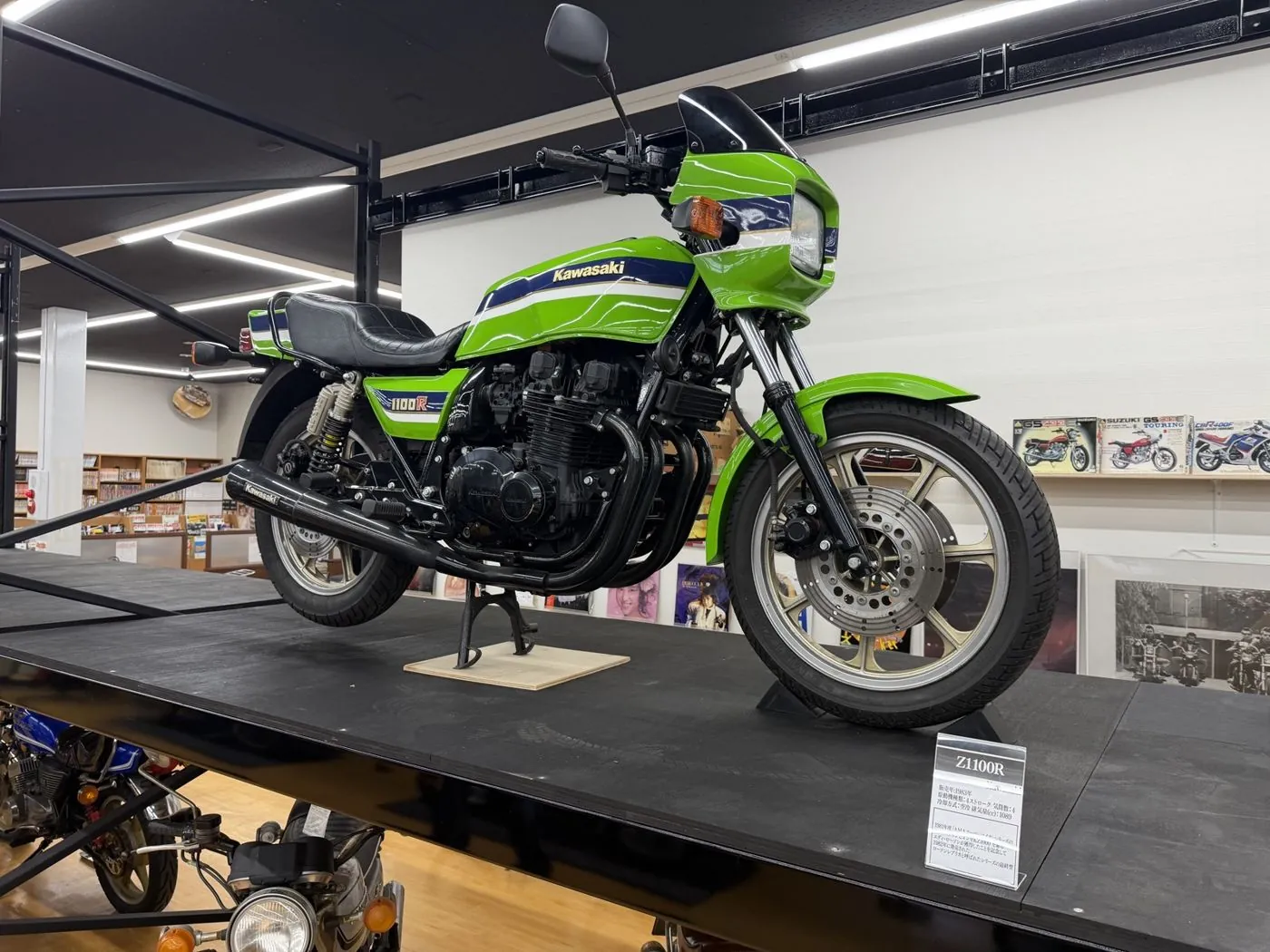
Kawasaki's green on display
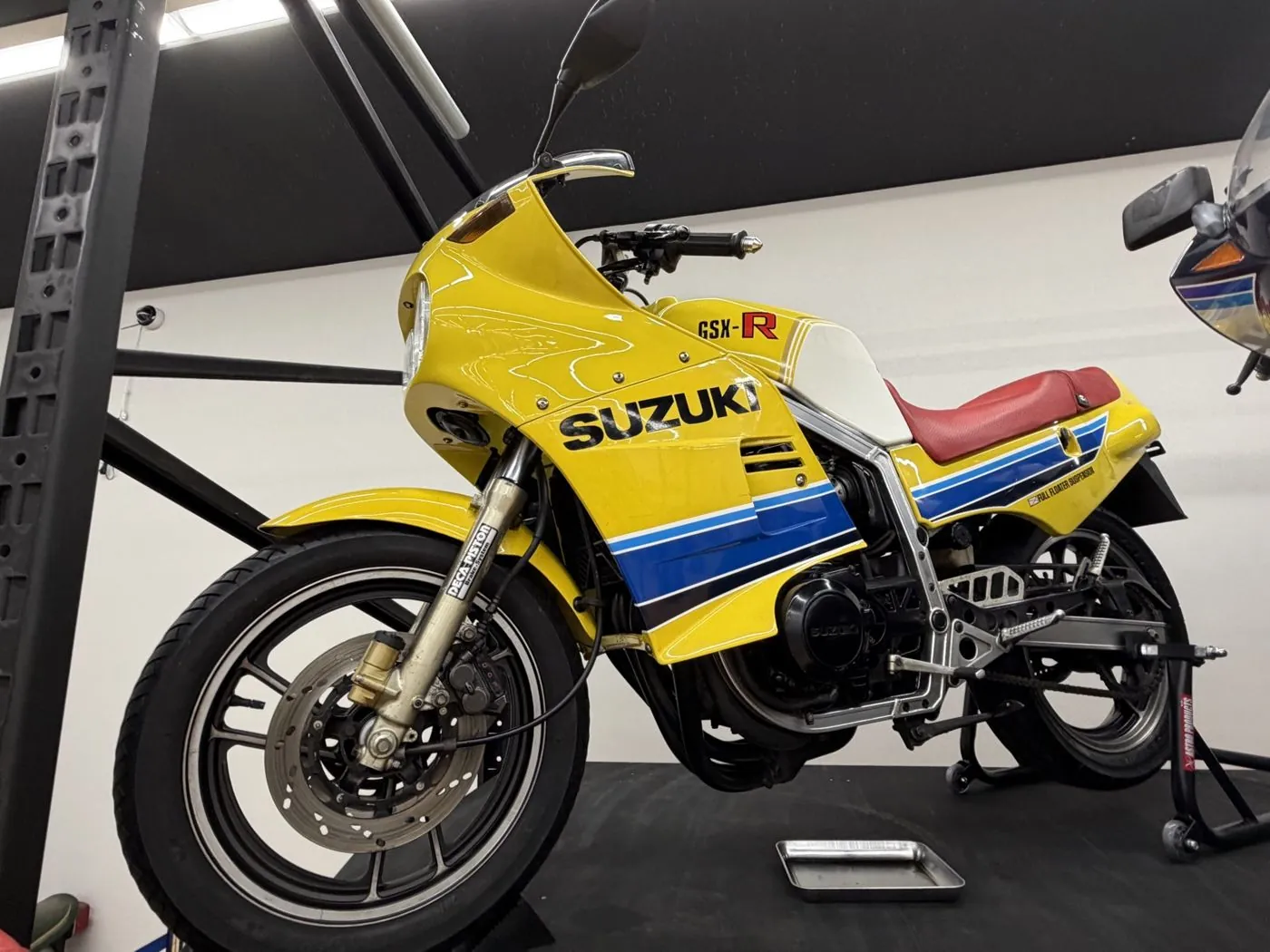
An early Suzuki GSX-R
Yamaha Ténéré 700: retro in name, modern underneath
From my Japan photos
The Hondas in my photos
A few of the Hondas I photographed left me wondering whether they're still made. Here's the answer for each one.
Never remade
Honda CBX1000
Honda built the six-cylinder CBX from 1978 to 1982. It used a 1,047cc air-cooled inline six with six carbs, making 105 bhp.
It was never a big seller: 38,079 were built in Japan and 3,150 in the USA. Honda never offered another inline six after it, so it's now a genuine collector's item.
Ended in 2025
Honda CB1300 Super Bol d'Or
This is the half-faired version of the CB1300 Super Four. It left the UK and European markets in 2013, but Japan kept it going.
Honda signed off in 2025 with Final Edition models, sold in Japan only. More on those just below.
Ended in 2025
Honda CB1300 Super Four SP
The big naked CB was built from 1998 to 2025 and has now been replaced by the new CB1000F. Its end closed 33 years of the Super Four line.
The SP's gold forks give it away. The Final Editions also got Brembo monoblock calipers, so you'll still see plenty of these on Japanese roads for years to come.
The last Big-1
CB1300 Super Four Final Edition
The CB1300 Super Four is the bike Honda's Project Big-1 built, and it was the company's biggest inline four. In 2025 Honda sent it off with four Final Edition models: the Super Four and the half-faired Super Bol d'Or, each in standard and SP form. The engine and chassis are unchanged. The difference is all in the colours and finish, and every detail points back to the 1992 CB1000 Super Four that started it all.
What makes a Final Edition
Two colours. The standard bikes come only in Graphite Black, with clear-finished fork bottoms. The SPs come only in Pearl Sunbeam White with red, Project Big-1's signature colours.
Original-bike details. A gold drive chain, a silver swingarm, top yoke and steering stem, and "Final Edition" stickers on top of the tank. On the Super Four, the usual wing badge on the tank is replaced by a "HONDA SUPER FOUR" logo, just like the 1992 original. The Bol d'Or keeps its wing badge.
SP hardware. Öhlins forks and twin shocks, plus Brembo radial-mount monoblock front calipers.
The surprise. Despite the name, they weren't a limited run. Honda sold them as normal models through its Honda Dream dealers from 28 February 2025. Orders came in so fast that Honda stopped taking them on 30 June 2025.
The CB1300 Super Four SP from my photos, with a titanium exhaust fitted
Engine
1,284cc liquid-cooled inline four
Power
113 PS at 7,750 rpm
Torque
112 Nm at 6,250 rpm
Weight
266 kg (SP)
Tank / seat height
21 L / 790 mm
Super Four
¥1,727,000
Super Bol d'Or
¥1,837,000
Super Four SP
¥2,101,000
Super Bol d'Or SP
¥2,211,000
Japanese prices including tax
The surprises
Where the old bikes still win
Fuel economyThe CB900F was rated at 5.0 l/100 km, against 5.6 for the CB1000F. The Katana goes the other way: the original used about 9.4 l/100 km, the new one 6.1.
RangeThe 1981 Katana carried 22 litres. The new one carries just 12, for a range of only about 196 km.
Bragging rightsThe 1981 Katana was the most powerful production bike you could buy. The Z1 sold about 20,000 units and kicked off the superbike era.
SoundAn air-cooled four breathing through four carbs and open pipes has a mechanical howl no Euro 5+ silencer can match. Six of them, like the CBX, is something else again.
Optimistic brochuresMagazine tests at the time measured the CB900F at only about 84 PS, not the 95 Honda claimed.
Food for thought
The nature of the beast
Put the numbers side by side and the trend is obvious. Every one of these new retros makes more power than the bike it's copying, weighs less, stops harder and handles far better. The new Katana makes 41 PS more than the 1981 original and still uses about a third less fuel.
Now look at the roads we ride them on. In plenty of places speed limits keep coming down, average-speed cameras keep going up, and the tarmac seems to have more potholes and patches every year. On paper it makes no sense: we keep getting faster, better-handling bikes to ride on slower, worse roads.
But that's the nature of the beast. Bikers want the best handling and the most speed they can get, even if they only use it for one perfect corner on a Sunday morning. That goes double for anyone who loves a big, torquey naked bike. Nobody buys a 1,000cc four-cylinder roadster for its sensible side. You buy it for the shove in the back when you open the throttle in third, and for knowing there's plenty more where that came from.
The better fuel economy has less to do with bikers going soft and more to do with the world around us. Fuel isn't getting any cheaper, emissions rules keep tightening, and riders care more about the environment than they used to. So the new bikes have to be cleaner and thriftier while still delivering the thrill. The fact that they manage both is pretty impressive.
And the irony? Thanks to modern suspension, brakes and traction control, the new bikes cope with bumpy, broken roads far better than the old ones ever did. Which is exactly why so many riders in Japan bolt the same kind of hardware onto their 1970s classics.
The man in the photo
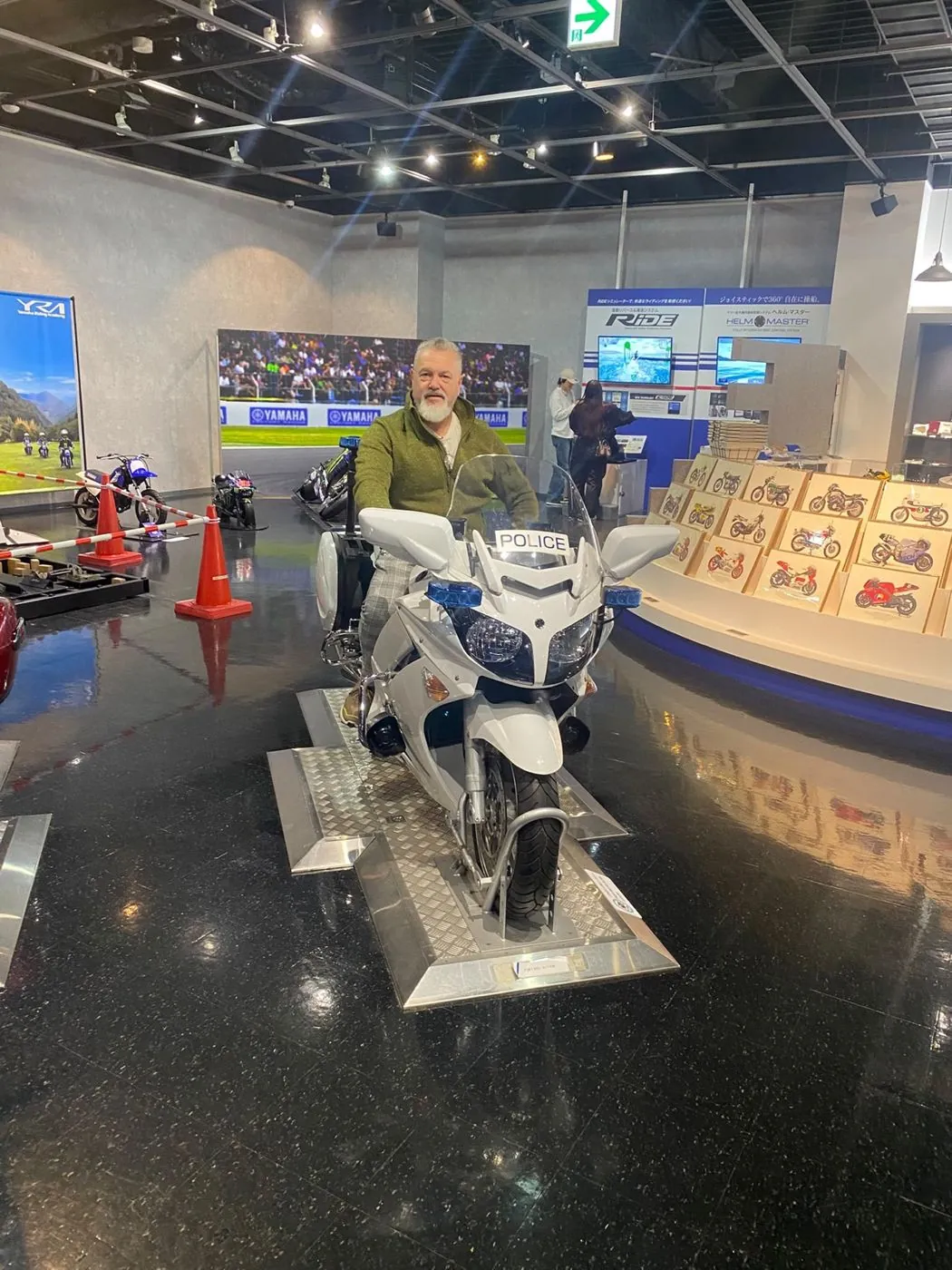
Yes, that's me
On duty, briefly, at a Yamaha display in Japan
I'm Alan Jones, and I gathered the Japan photos in this article on my trip. Some I took myself, some came from riders I met along the way, and this one is the only one with me in it.
The bike's a Yamaha FJR1300 in Japanese police trim, so not a retro and not a Honda, despite the white paint. It's bolted to a display stand, which is probably for the best. I'm normally the one on the receiving end of speeding tickets, so for a few minutes I wondered if it was finally my turn to start handing them out. Poacher turned gamekeeper, Japanese edition.
What struck me most on the trip wasn't the museums. It was how many genuine 1970s, '80s and '90s bikes are still out on the road, often with better brakes and suspension than they ever left the factory with.